A Living Temple in the Heart of Tirupati City
The city of Tirupati, quite literally, grew around this temple. The Sri Govindaraja Swamy Temple is administered by the Tirumala Tirupati Devasthanams (TTD) and follows the Vaikhanasa Agama tradition, the same system of rituals observed at the Sri Venkateswara Temple on Tirumala Hill. That connection is not incidental. Both temples share a theological lineage that traces back to Ramanujacharya's reforming influence on Vaishnavite worship in South India.
The temple is also notable for its spiritual significance beyond formal worship. Govindaraja Swamy is considered the elder brother of Lord Venkateswara. Tradition holds that Govindaraja Swamy stood as guarantor when Lord Venkateswara borrowed wealth from Kubera, the god of riches, to finance his wedding to Padmavathi Devi. Because of this, the deity is widely regarded as a presiding figure of abundance and prudent management of prosperity.
The origins of the Govindaraja Temple stretch back to a period of religious turbulence. The Chola king Krimikantha, a devoted Shaivite, ordered the destruction of Vishnu temples in his kingdom. The original idols of Sri Govindaraja Swamy, Sridevi, and Bhudevi were concealed by Vaishnavas and immersed in the sea near Chitrakuta (present-day Chidambaram) for safekeeping. When conditions allowed, these idols were retrieved and brought to Tirupati, where devotees began conducting poojas in their honour.
Ramanujacharya formalised the worship in 1130 AD. Collaborating with the local king and his disciple, Yadavaraya, he consecrated new idols alongside the Utsava Murtis from Chitrakuta, establishing a ritual framework in accordance with the Vaikhanasa Agama. Before this, Sri Parthasarathi had served as the temple's original presiding deity. The Yadavaraya Dynasty subsequently made significant gifts, including decorative contributions to the temple chariot in 1239 AD. The temple gained further prominence during the Vijayanagara period, particularly from 1506 AD onwards, when successive rulers expanded and embellished the complex. Long before the formal consecration of 1130 AD, structures were already standing within the temple complex, with some dating back to the 9th and 10th centuries.
Ramanujacharya formalised the worship in 1130 AD. Collaborating with the local king and his disciple, Yadavaraya, he consecrated new idols alongside the Utsava Murtis from Chitrakuta, establishing a ritual framework in accordance with the Vaikhanasa Agama. Before this, Sri Parthasarathi had served as the temple's original presiding deity. The Yadavaraya Dynasty subsequently made significant gifts, including decorative contributions to the temple chariot in 1239 AD. The temple gained further prominence during the Vijayanagara period, particularly from 1506 AD onwards, when successive rulers expanded and embellished the complex. Long before the formal consecration of 1130 AD, structures were already standing within the temple complex, with some dating back to the 9th and 10th centuries.
The Gopurams
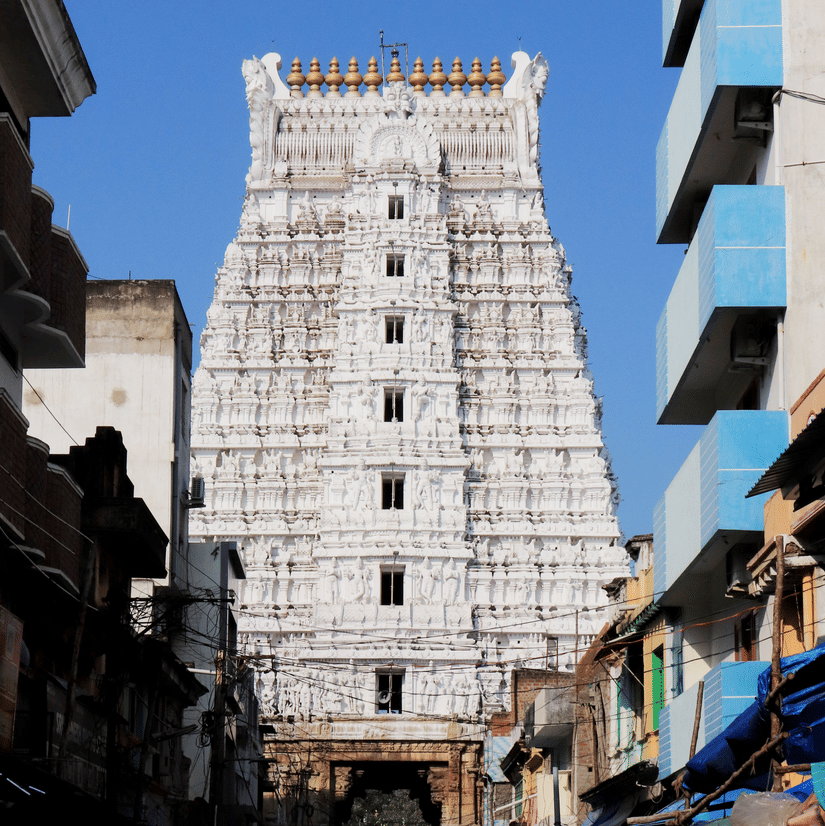
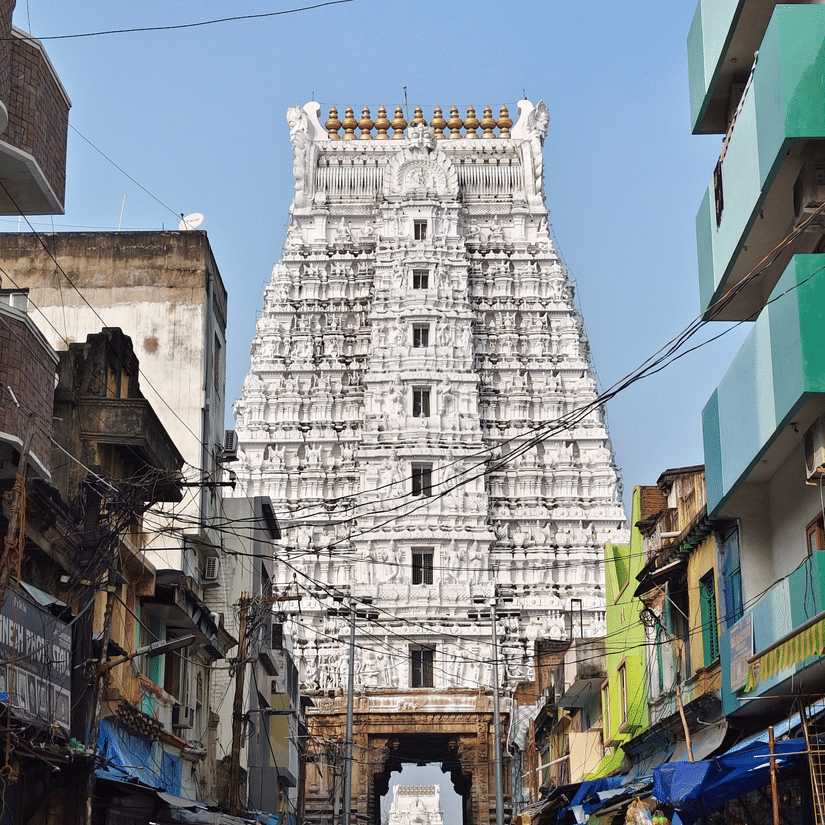
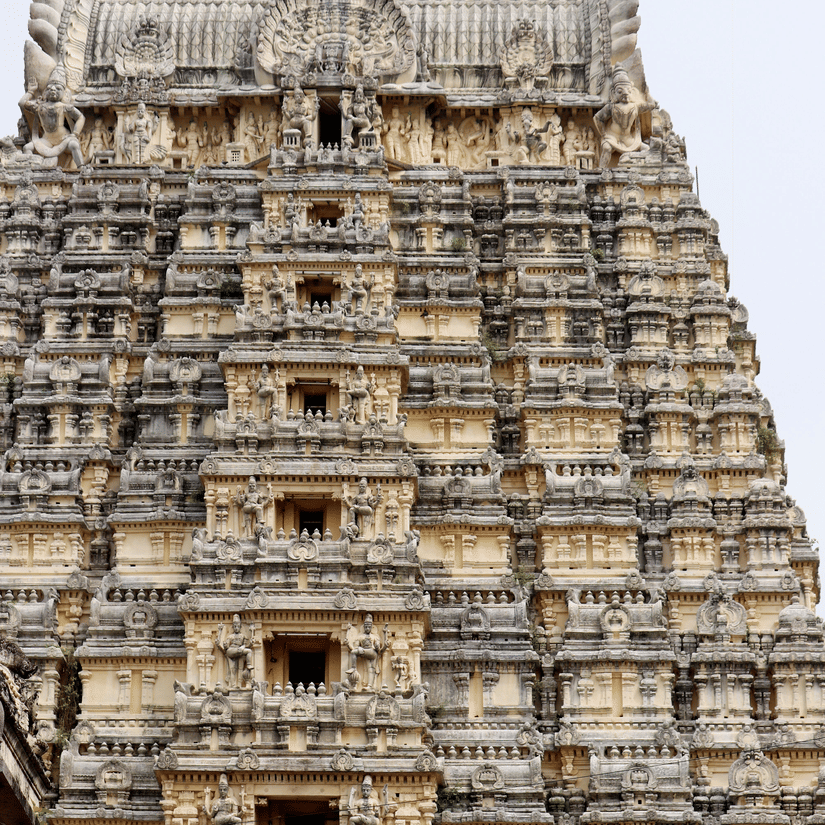
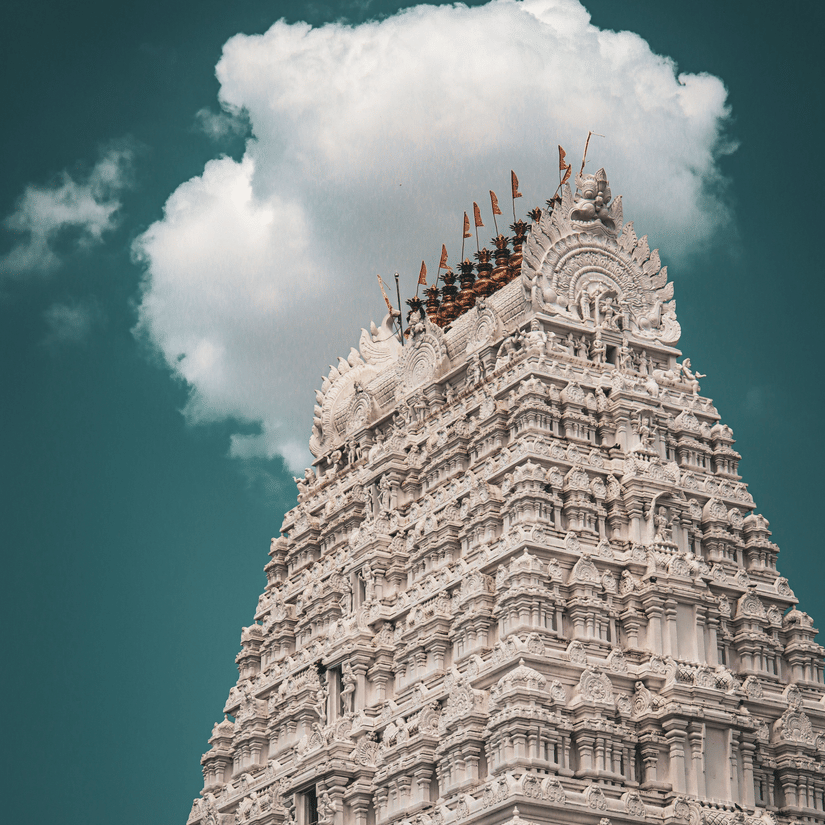
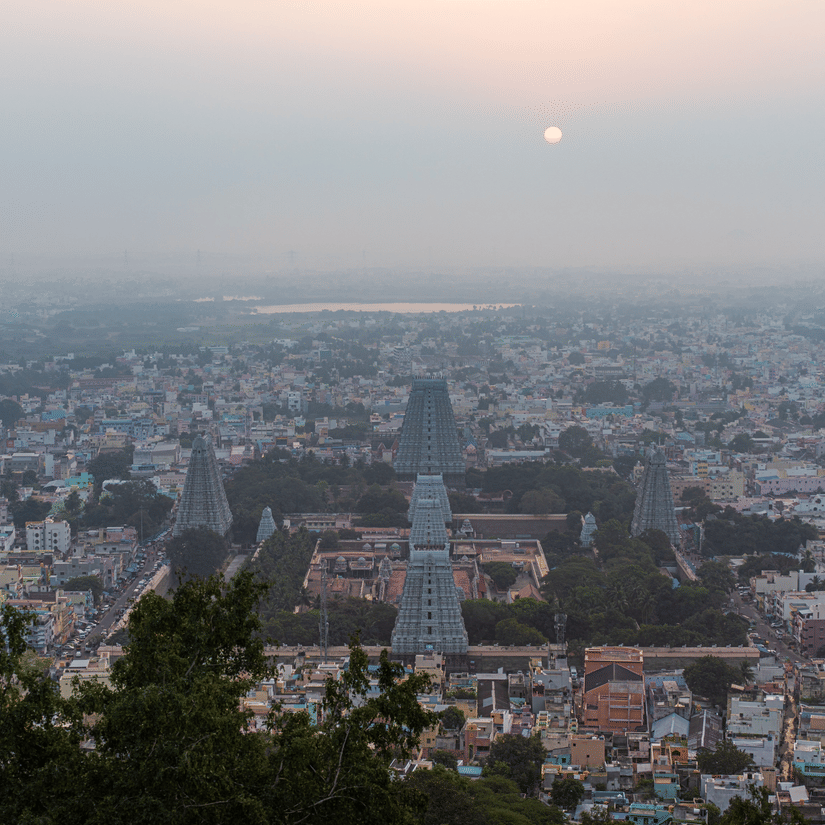
The temple has two gopurams, an outer and an inner. The outer gopuram is a seven-storey tower crowned by 11 kalasas (ornamental finials), dating from the 14th to 15th centuries. Its surface carries intricate carvings depicting scenes from the Bhagavata Purana, the Ramayana, and the life of Lord Venkateswara. The inner gopuram, slightly smaller but equally significant, is the earlier of the two and dates to the 14th century. Its carvings include scenes from the Ramayana and episodes from Lord Krishna's life.
The Mandapams and Shrines
Within the complex, the mandapams are particularly noteworthy:
- 16-Pillared Mandapam: An example of refined Dravidian stone craftsmanship with finely ornamented columns.
- 100-Pillared Halls: One of the most architecturally significant halls in the complex, with pillars that demonstrate the scale and ambition of the temple's original builders.
The temple complex also encompasses a museum and several sub-shrines:
- Kalyana Venkateswara Swami Temple
- Salai Nachiyar Devi Temple (where the idol of Andal/Godadevi is enshrined)
- Alwar Temples
- Vyasaraya Anjaneyaswamy Temple
- Chakkarathalwar Temple
- Manavala Mahamuni Temple
- Vedanta Desikar Temple
- Anjaneyaswamy Temple
The Presiding Deity
The central sanctum houses Sri Govindaraja Swamy in a reclining posture on Ananta, the divine serpent, with his consorts Sridevi and Bhudevi. The southern shrine is dedicated to Lord Krishna with his consorts Satyabhama and Rukmini.
All rituals are conducted according to Vaikhanasa Agama traditions. Daily darshan timings are as follows:
- Morning Session: 5:00 AM to 12:30 PM
- Afternoon Session: 1:30 PM to 4:45 PM
- Evening Session: 6:00 PM to 9:30 PM
The day begins with the Suprabhata Seva at 5:00 AM, a morning awakening ritual involving hymns and offerings. The day concludes with Ekantha Seva from 9:00 PM to 9:30 PM, a closing ritual where the deity is prepared for rest.
Notable sevas performed at the temple include:
Notable sevas performed at the temple include:
- Viswaroopa Darshanam: A morning ritual conducted after the Suprabhata Seva
- Thomala Seva: Garland offering to the presiding deity
- Archananantara Darshanam: Individual devotional offerings with recitation of divine names
- Annaprasadam: Free sacred meals distributed to devotees, a longstanding practice at the temple
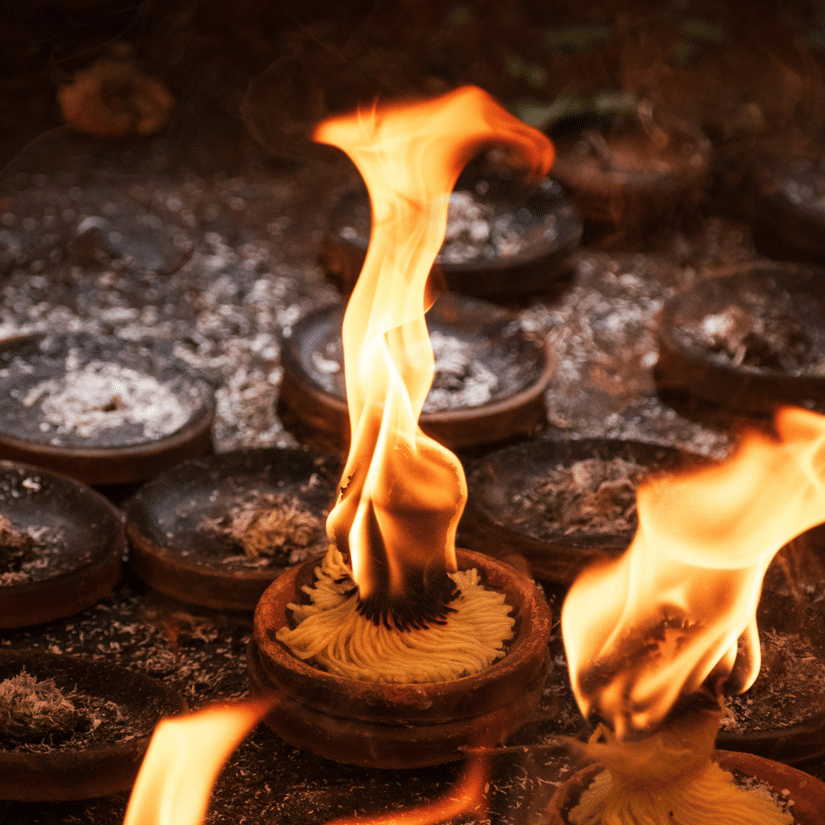
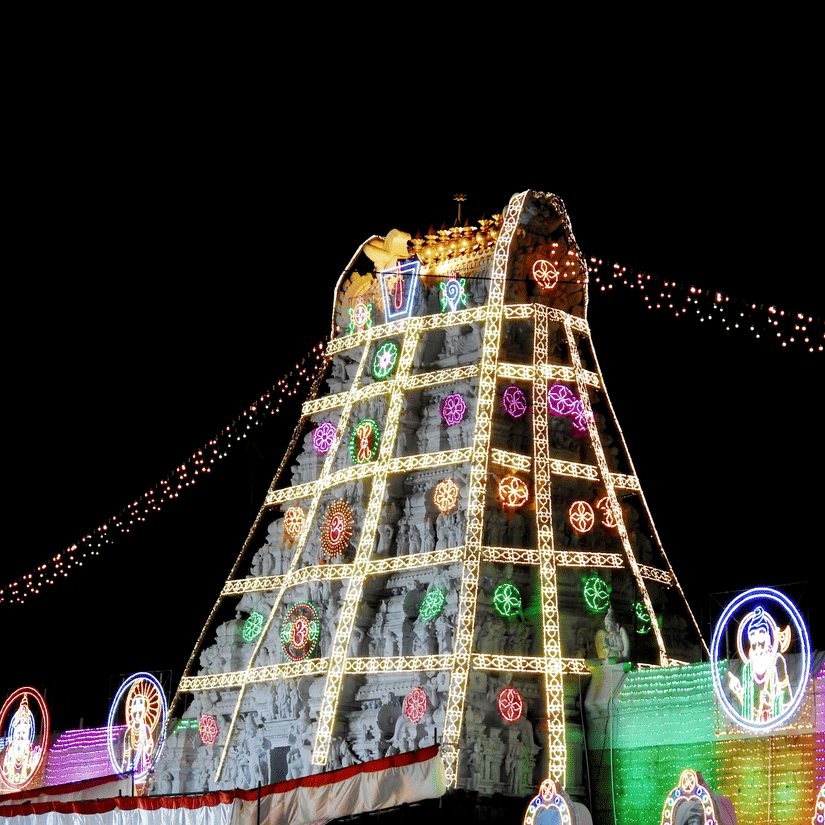
Brahmotsavam (Vaisakha Festival): Held annually during the month of Vaisakha (April to May), Brahmotsavam is the most important festival at the temple. Over nine days, the deity is carried in elaborately decorated vahanas (processional vehicles) around the temple complex. The festival includes flag hoisting, chariot processions, cultural performances, and special sevas. Large crowds gather throughout the festival.
Vaikuntha Ekadashi: Vaikuntha Ekadashi marks the most auspicious Ekadashi (11th lunar day) in the Hindu calendar, typically falling in December or January. Devotees observe fasting and night-long vigils, seeking spiritual merit and the blessings of Lord Vishnu. The atmosphere at the temple during this period is deeply devotional.
Annual Float Festival (Teppotsavam): Known as Teppotsavam in Telugu and Plavotsavam in Sanskrit, this seven-day festival is held annually during the Magha month (February to March), beginning on Suddha Ekadasi and concluding on Pournima. Each day, a different processional deity is taken in procession across the temple's Pushkarini on a decorated float, accompanied by Annamacharya keerthanas.
Vaikuntha Ekadashi: Vaikuntha Ekadashi marks the most auspicious Ekadashi (11th lunar day) in the Hindu calendar, typically falling in December or January. Devotees observe fasting and night-long vigils, seeking spiritual merit and the blessings of Lord Vishnu. The atmosphere at the temple during this period is deeply devotional.
Annual Float Festival (Teppotsavam): Known as Teppotsavam in Telugu and Plavotsavam in Sanskrit, this seven-day festival is held annually during the Magha month (February to March), beginning on Suddha Ekadasi and concluding on Pournima. Each day, a different processional deity is taken in procession across the temple's Pushkarini on a decorated float, accompanied by Annamacharya keerthanas.
Planning Your Visit to the Govindaraja Temple
How to Reach the Temple
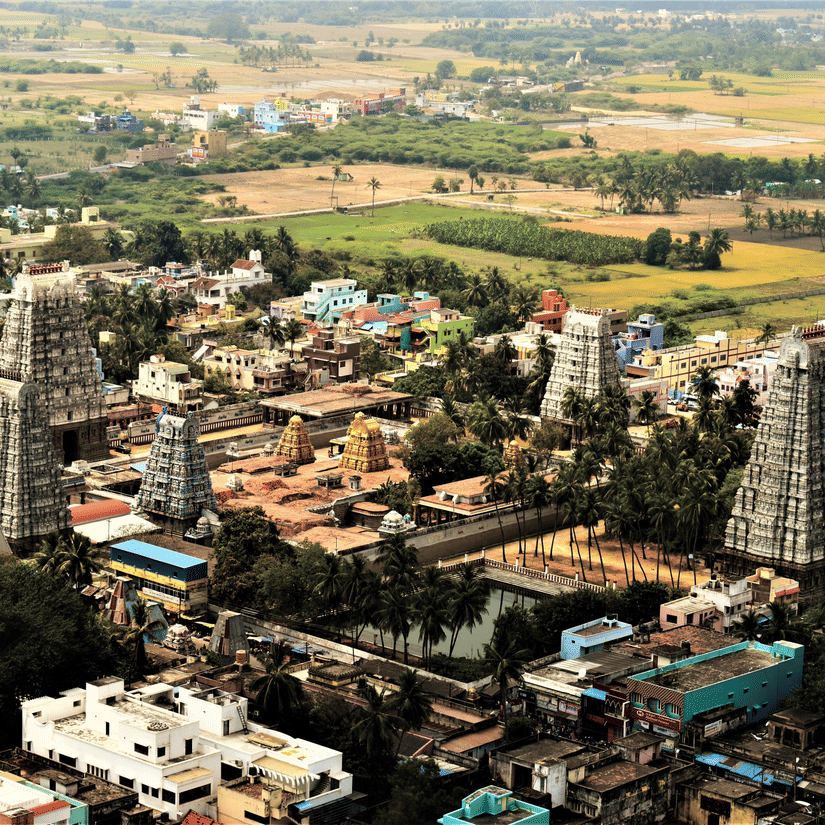
Situated on N Mada Street in the heart of Tirupati, the temple is easily accessible from most locations across the city.
- From Tirupati Railway Station: Within walking distance, reachable by auto-rickshaw or on foot in around 15 minutes
- From Tirupati Central Bus Stand: Within walking distance, reachable by auto-rickshaw or on foot in around 20 minutes
- From Tirumala: ~23 km from the Sri Venkateswara Temple on Tirumala Hill, accessible by road via the Tirupati-Tirumala ghat road
Best Time to Visit
- Season: October to February, when temperatures in Tirupati are moderate and the weather is suitable for temple visits and extended sightseeing.
- Time of Day: Early morning darshan (between 5:00 AM and 7:00 AM) is strongly recommended to avoid the longer queues that build during mid-morning and early afternoon.
- Festivals: Visiting during Brahmotsavam or Vaikuntha Ekadashi offers a richer devotional experience, though crowd levels are significantly higher during these periods.
Dress Code and Temple Etiquette
- Men are expected to wear a dhoti or trousers with a shirt. Shorts are not permitted inside the temple.
- Women should wear a saree, a salwar kameez, or similar traditional attire.
- Footwear must be removed before entering the temple premises.
- Photography restrictions apply inside the sanctum. Check current guidelines at the entrance.
After seeking blessings at Sri Govindaraja Swamy Temple, choosing accommodation close to Tirupati's key landmarks can make the rest of your pilgrimage far more convenient. Located about 4 km from the temple on Tirumala Road near Kapila Theertham, Raj Park Hotel offers easy access to the city's major temples, transport hubs, and pilgrimage routes.
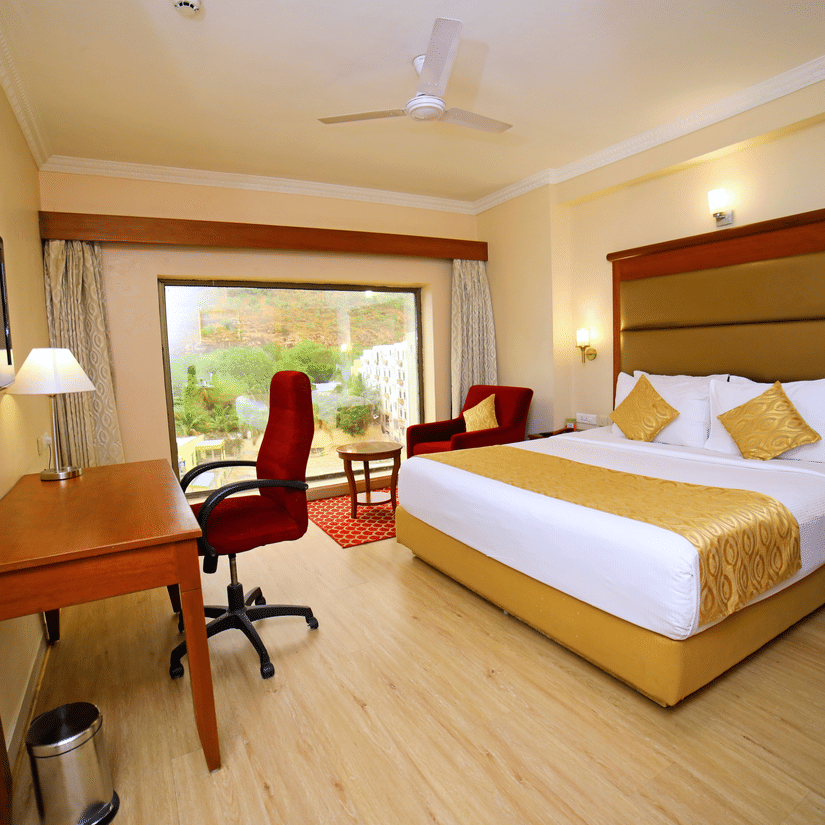
Our hotel features two accommodation options—Superior Rooms and Hill View Rooms, with the latter overlooking the sacred Tirumala Hills. Every room is equipped with modern comforts, including air conditioning, complimentary Wi-Fi, flat-screen televisions, and well-appointed interiors designed for a relaxing stay.
Dining is available around the clock at The Prime Restaurant, serving a diverse menu of North Indian, South Indian, Chinese, Continental, and tandoor specialities. Guests can choose from buffet breakfast, lunch, and dinner in a fine-dining setting with seating for up to 80 people.
Additional facilities include 24-hour room service, complimentary high-speed internet throughout the property, and a dedicated travel desk to assist with temple visits, local sightseeing, and transport arrangements.
Our hotel features two accommodation options—Superior Rooms and Hill View Rooms, with the latter overlooking the sacred Tirumala Hills. Every room is equipped with modern comforts, including air conditioning, complimentary Wi-Fi, flat-screen televisions, and well-appointed interiors designed for a relaxing stay.
Dining is available around the clock at The Prime Restaurant, serving a diverse menu of North Indian, South Indian, Chinese, Continental, and tandoor specialities. Guests can choose from buffet breakfast, lunch, and dinner in a fine-dining setting with seating for up to 80 people.
Additional facilities include 24-hour room service, complimentary high-speed internet throughout the property, and a dedicated travel desk to assist with temple visits, local sightseeing, and transport arrangements.