Finding Your Way to Kanipakam Temple
Kanipakam is a village in the Chittoor region of Andhra Pradesh, situated on the banks of the Bahuda River. The temple is approximately 68 km from Tirupati and around 12 km from Chittoor.
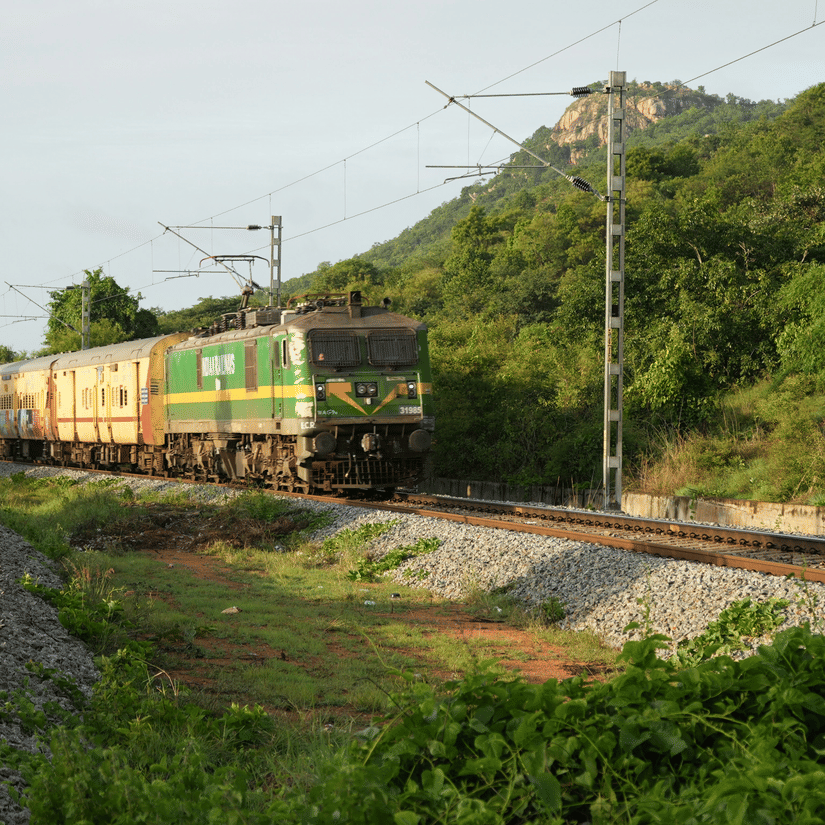
The journey from Tirupati usually takes around 1.5 hours by road, depending on traffic and your starting point in the city. Cars, taxis, and buses make the trip straightforward, allowing pilgrims to include Kanipakam in a wider temple itinerary.
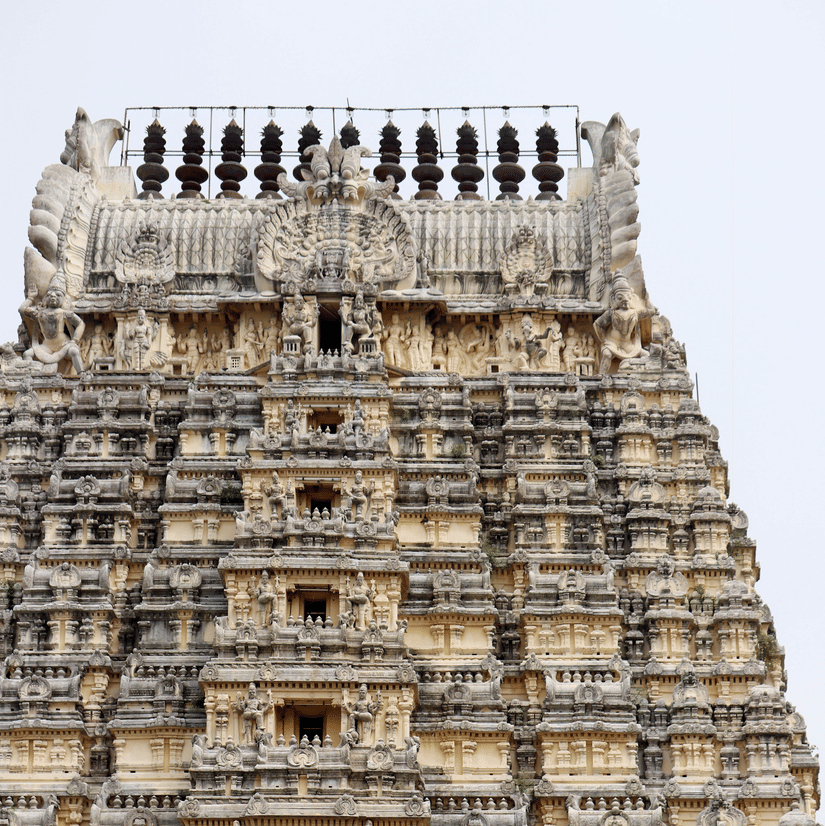
Kanipakam Temple history traces the shrine to the 11th century AD, when it was constructed during the reign of Chola King Kulottunga Chola I. The temple was subsequently developed by the Pallavas, Vijayanagara rulers, and other rulers. According to temple tradition, 3 brothers one unable to speak, another unable to hear, and the third unable to see, were working near a well when they struck what appeared to be a stone-like object. Blood is said to have emerged from the spot, after which the 3 were believed to have regained their abilities. Villagers then uncovered the swayambhu form of Sri Varasiddhi Vinayaka.
The deity remains associated with the well in which it was discovered, with water traditionally present around the idol. Devotees believe that the deity continues to grow in size. The silver kavacham donated around 1945 is displayed at the temple because it is said to no longer fit the deity. The name Kanipakam is traditionally explained through the Tamil words 'kani', referring to wetland, and 'pakam', referring to the flow of water into a wetland. The story of the discovery and the landscape around the shrine have therefore become closely woven into the identity of the village.
The deity remains associated with the well in which it was discovered, with water traditionally present around the idol. Devotees believe that the deity continues to grow in size. The silver kavacham donated around 1945 is displayed at the temple because it is said to no longer fit the deity. The name Kanipakam is traditionally explained through the Tamil words 'kani', referring to wetland, and 'pakam', referring to the flow of water into a wetland. The story of the discovery and the landscape around the shrine have therefore become closely woven into the identity of the village.
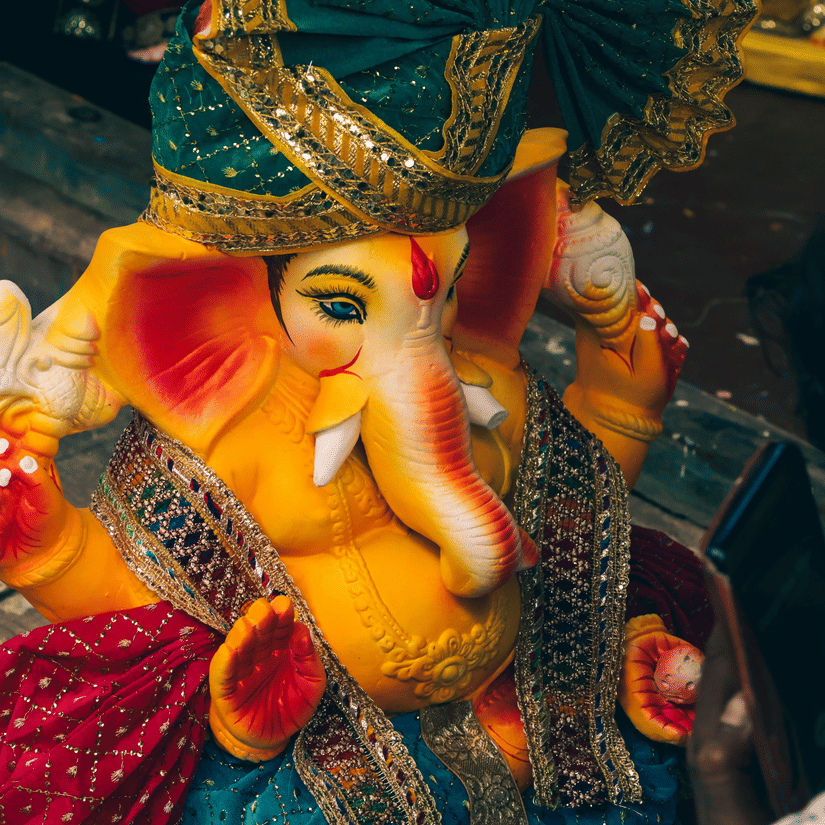
Sri Varasiddhi Vinayaka is worshipped here as a swayambhu form of Lord Ganesha. The deity is traditionally described as facing north, with the first rays of the sun said to fall on his feet. These distinctive features add to the shrine's spiritual significance for devotees.
Kanipakam is also associated with the traditional practice of taking an oath before the deity. The temple is popularly known as Sathya Pramanala Nilayam, or a place associated with true oaths. According to temple tradition, people involved in disputes have historically taken a holy dip and affirmed the truth before Sri Varasiddhi Vinayaka. The practice continues to form part of the shrine's distinctive religious identity. Pilgrims exploring the wider temple trail across Andhra Pradesh can include Kanipakam alongside the other important shrines of the region.
Kanipakam is also associated with the traditional practice of taking an oath before the deity. The temple is popularly known as Sathya Pramanala Nilayam, or a place associated with true oaths. According to temple tradition, people involved in disputes have historically taken a holy dip and affirmed the truth before Sri Varasiddhi Vinayaka. The practice continues to form part of the shrine's distinctive religious identity. Pilgrims exploring the wider temple trail across Andhra Pradesh can include Kanipakam alongside the other important shrines of the region.
Key Sevas at Kanipakam Temple
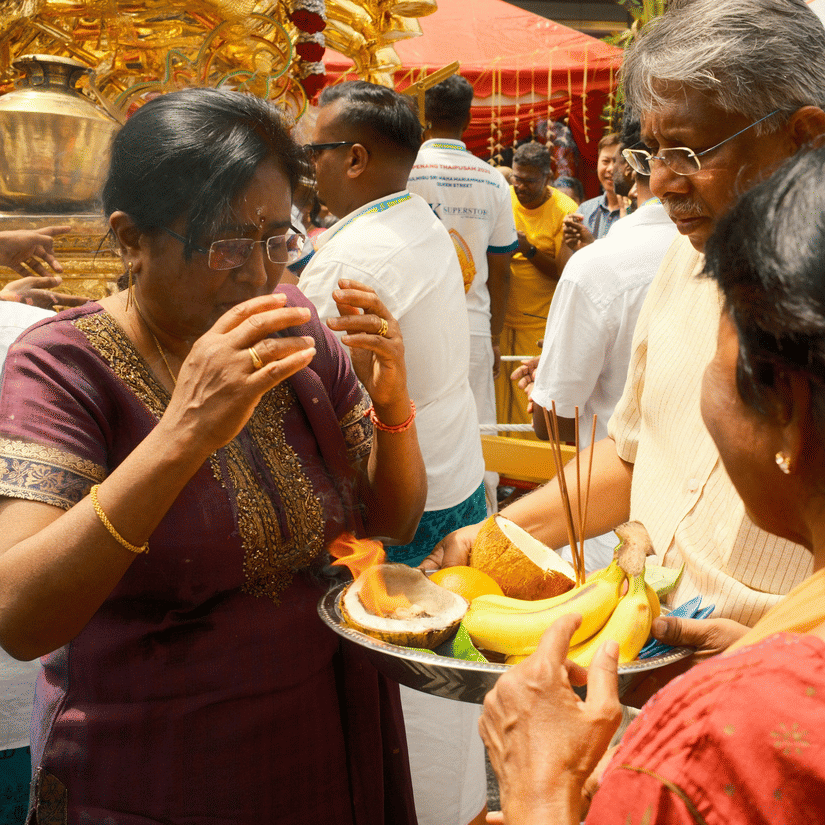
- Suprabhata Seva: The early morning ritual that begins the day's worship
- Nijaroopa Darshanam: Darshan of the deity in its natural form
- Panchamruthabhishekam: A sacred bathing ritual performed as part of the temple's daily worship
- Maha Harathi: An important lamp offering performed in the evening
- Sarva Darshanam: General darshan available to pilgrims through multiple sessions during the day
The temple's daily schedule includes morning, afternoon, and evening darshan periods. Timings can change during festivals, special occasions, and other temple events, so pilgrims should confirm the latest schedule before travelling.
Dress Code & Etiquette at the Temple
- Traditional Dress: Men can opt for a dhoti or trousers with a shirt, while women can choose a saree or salwar kameez
- Headwear and Footwear: Remove caps or hats before entering and leave footwear at the designated area
- Entry Fee: General darshan is free, while specific sevas and special darshan options may carry separate charges
Dressing modestly and following the temple's instructions helps keep the visit respectful and comfortable for everyone.
Making the Journey from Tirupati
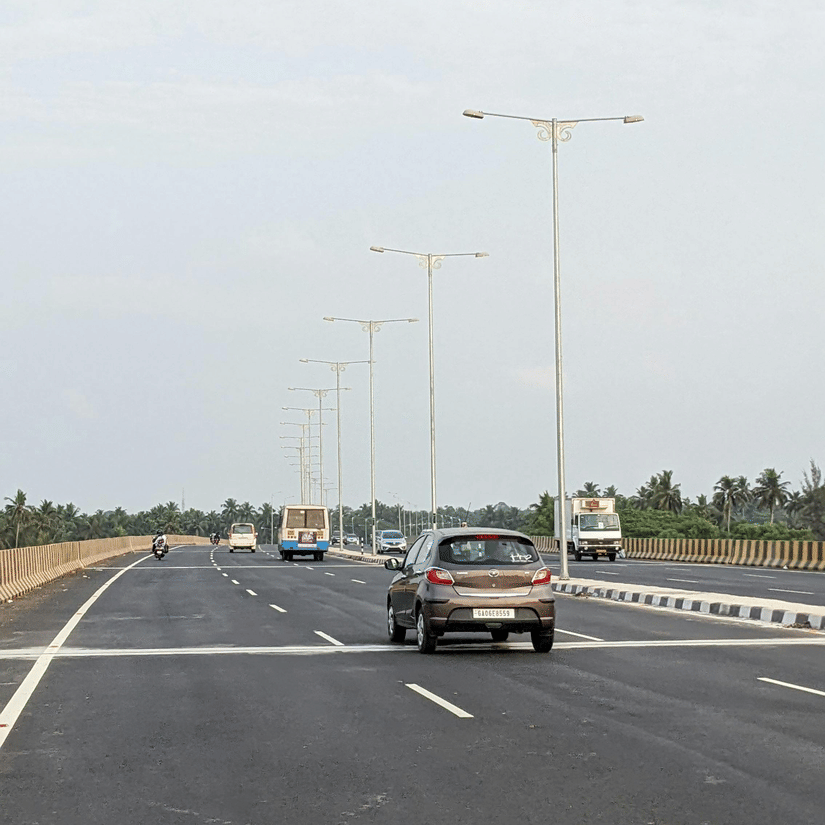
Most pilgrims travel to Kanipakam Temple by road from Tirupati. The journey is approximately 68 km and usually takes around 1.5 hours, depending on traffic and the starting point in Tirupati. Taxis, private cars, and buses are practical options for the journey.
Buses connect Kanipakam with Tirupati and Chittoor, while direct bus services from Tirumala are also available. Kanipakam does not have its own railway station; Chittoor Railway Station. For pilgrims travelling by car or taxi, leaving early can make the drive more comfortable, particularly during the warmer months
Making the Most of Your Pilgrimage
Kanipakam can be planned as a half-day excursion before or after your Tirumala visit, depending on your darshan slot. If you are travelling during the warmer months, an early departure can make the road journey more comfortable and leave greater flexibility in the rest of your itinerary.
Travellers building a longer temple circuit can also combine Kanipakam with a visit to Sri Govindaraja Swamy Temple. For a more extensive pilgrimage itinerary, explore the temples near Tirupati and plan your visits around your Tirumala darshan slot.
Raj Park Hotel, Tirupati: A Convenient Stay for Temple Trails
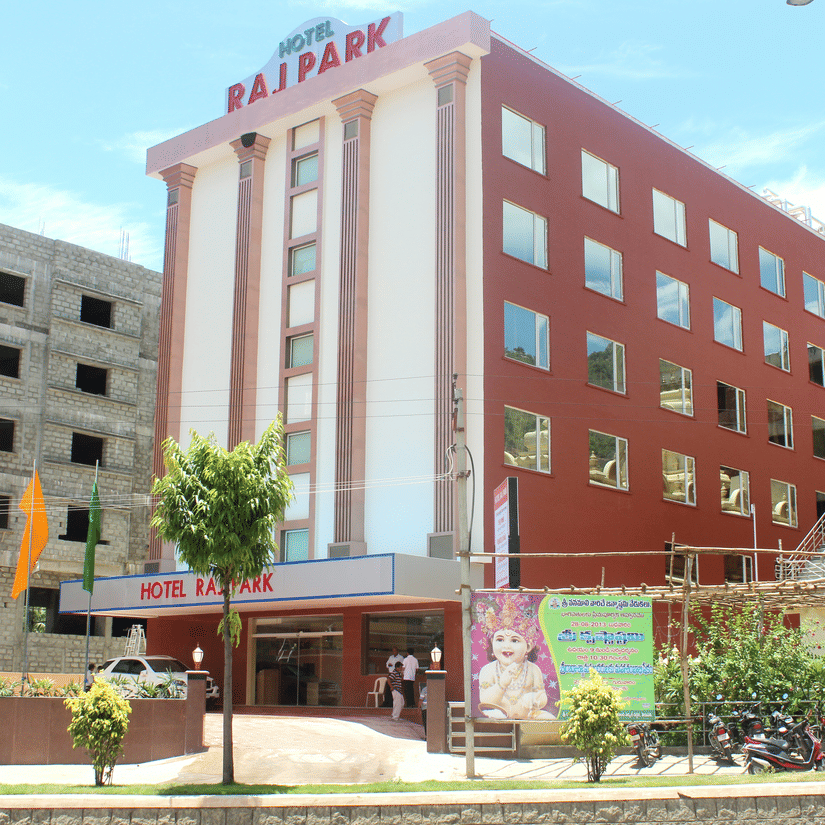
After exploring Kanipakam, returning to Tirupati offers a chance to rest before continuing your pilgrimage or heading to Tirumala. Raj Park Hotel - Tirupati provides a comfortable base for travellers planning Kanipakam alongside the city's other temple visits, with convenient access to the wider pilgrimage circuit.
Located on Tirumala Road, our hotel offers Superior Rooms and Hill View Rooms, with the latter overlooking the Tirumala hills. Our travel desk can assist with transport arrangements and queries about nearby attractions, helping you plan your Kanipakam visit with ease. After a day of darshan and travel, unwind at our Prime Restaurant with round-the-clock dining options. You can also explore our current offers when planning your stay.
Located on Tirumala Road, our hotel offers Superior Rooms and Hill View Rooms, with the latter overlooking the Tirumala hills. Our travel desk can assist with transport arrangements and queries about nearby attractions, helping you plan your Kanipakam visit with ease. After a day of darshan and travel, unwind at our Prime Restaurant with round-the-clock dining options. You can also explore our current offers when planning your stay.